

Abstract Submission is Now Closed
Thank you for your interest in submitting an abstract for the Joint SSO2027 | WCO6 Optometry Conference. The abstract submission period has officially closed, and we sincerely appreciate all the submissions received. All submitted abstracts will now undergo the review process, and authors will be notified of the outcome according to the conference review timeline.
 2–4 Apr 2027
 Riyadh RICEC
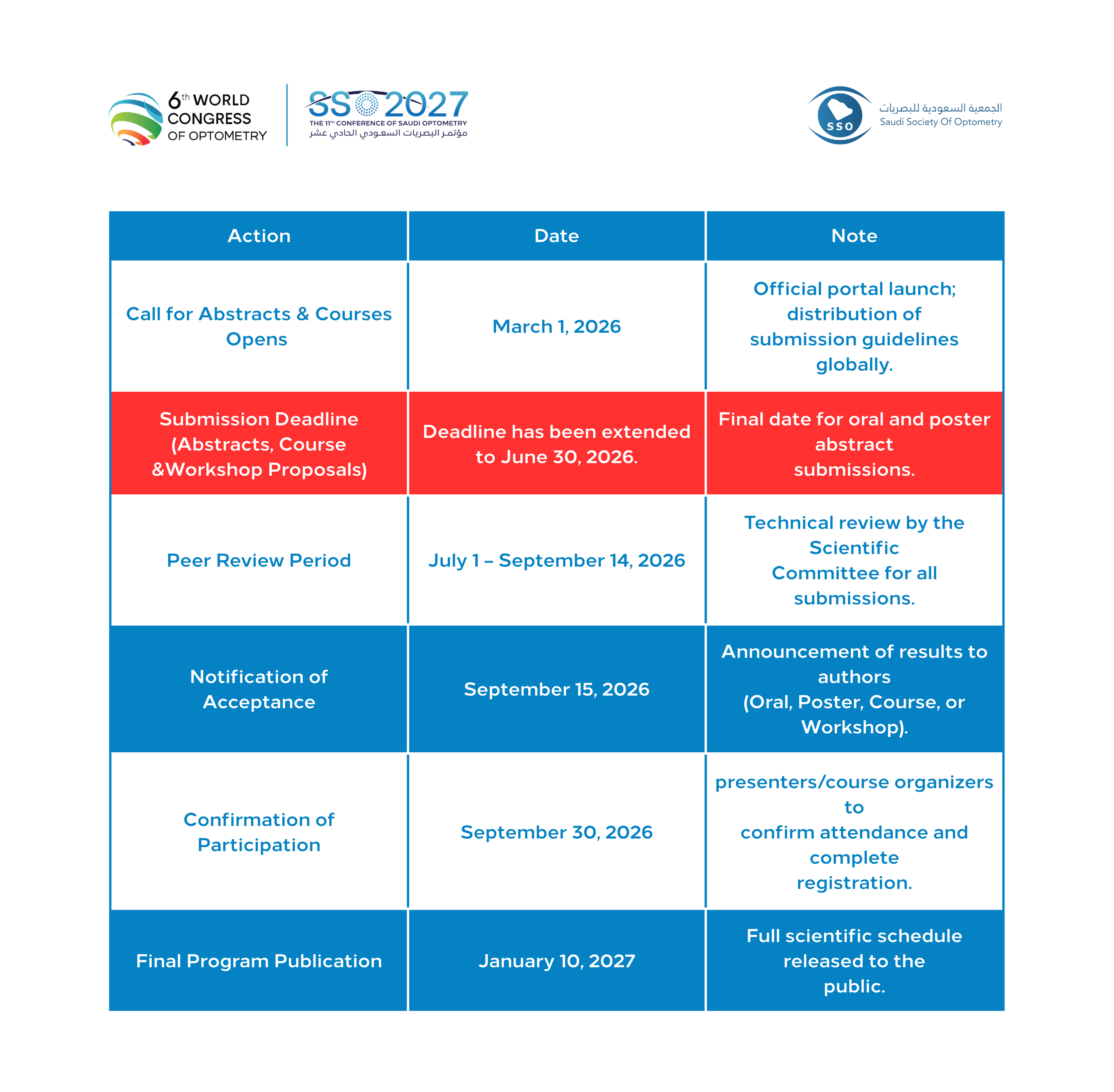
2. Suggested Submission Categories
To ensure a diverse and high-impact program, submissions should be categorized
into one of the following themes:
- Clinical Optometry: (Glaucoma, Cornea & Contact Lenses, Pediatric
Optometry, Anterior Segment, Low Vision, etc.).
- Vision Science: (Myopia control, Binocular vision, Visual Electrophysiology,
Advanced Imaging, etc.).
- Public Health: (Vision 2030 goals, eye care accessibility, school screening
programs, community health initiatives, etc.).
- Education & Professional Development: (Optometry legislation, clinical
training, AI in eye care, curriculum development, etc.).
3. General Guidelines
Submission Platform: All submissions must be submitted through the
official conference submission portal.
4. Abstract Content & Format (For Oral & Poster Submissions)
- Title: The title should be concise and accurately reflect the content.
- Authors: List all authors with their affiliations.
- Word Limit: Abstracts should not exceed 350 words, excluding the title, authors, and keywords.
- Keywords: Include a maximum of 3 keywords.
- Conflict of Interest/Financial Disclosure: Disclose any potential conflicts of interest or financial support.
- Structure:
Research Abstract (Free Papers & E-Posters):
1- Background/Objectives: A brief introduction including the objectives/aim or hypothesis.
2- Design and Methods: Description of the research methodology.
3- Results: Summary of the main findings.
4- Conclusions: Implications and overall outcome of the results.
For Case Study:
1- Introduction: Brief background of the case.
2- Case Description: Detailed presentation of the patient’s history, symptoms, diagnosis, and treatment.
3- Conclusion: Summary of key findings and recommendations.
5. Course/Workshop Proposal Content (For Educational Sessions)
- Title: Concise title and a brief description (max 50 words) for the program schedule.
- Duration: Indicate preferred length (e.g., 60 minutes, 90 minutes, Half-day).
- Learning Objectives: State three to five measurable learning objectives.
- Target Audience: Specify the experience level (e.g., General Practitioner, Specialist, Researcher).
- Detailed Outline/Content: A comprehensive description of the content and structure of the course/workshop (max 350 words).
- Instructors: List all instructors and their qualifications.
6. Review Process
- Blind Review: All abstracts will undergo a blind peer-review process. Do not include any identifying information in the abstract body.
- Criteria: Submissions will be evaluated based on originality, scientific merit, relevance to the conference theme, clarity of presentation, and potential impact. Course/Workshop proposals will be evaluated on relevance, educational value, and instructor expertise.
7. Presentation Format
- Oral Presentations (Lectures)
- Oral Presentations (Case Studies)
- Oral Presentations (Free Papers)
- Poster Presentations (Posters)
- Courses/Workshops (Educational Sessions)
*Template for the oral and poster presentation will be shared after the
selection of abstracts. Course/Workshop organizers will be contacted
directly regarding logistical needs.
8. Ethical Considerations
- All research must have been conducted in accordance with ethical
guidelines and regulations (e.g., Declaration of Helsinki).

Let's get in touch
We appreciate your comments, suggestions and questions. Our team is ready to assist you with any inquiries about the conference.
Our Address
Riyadh International Convention & Exhibition Center
Support:
inquiry@sso.org.sa

Whatsapp:
+966573740797